
Table of Contents
Introduction
What is UGC
Types of User-Generated Content
Why UGC Works - The Data
Real-World UGC Examples
UGC vs Branded Content vs Influencer Content
How to Use UGC in Your Marketing Strategy
Conclusion
FAQ's
Introduction
Remember the last time you bought something from an online platform? And before purchasing it directly or trusting the brand, you looked for reviews, real photos, and comments from real people?
That's UGC. And it's quietly running some of the most effective marketing in the world right now. 92% of consumers trust peer recommendations over brand messages - and 84% trust brands more when they feature UGC over traditional advertising. (Archive.com, 2026)
In this blog, we will break down exactly what UGC is, why it works, what it looks like in practice, and how brands from D2C startups to established Indian companies are using it to grow.
What is UGC?
User-Generated Content is original, brand-specific content voluntarily created and shared by customers, fans, or everyday users, which is then published across social media, review platforms, video channels, or any online space.
The key word to focus on here is voluntary. UGC isn't paid content. It isn't briefed. It isn't edited by a brand team. It isn't staged by the client. It's what real people say about a brand when the brand isn't in the room - and that's exactly what people want before buying anything online. Because in a world full of online scams, people want to see the real voice to trust.
What UGC Is NOT
UGC is often confused with:
Influencer content - influencer posts are commissioned and are paid for. But UGC is organic and unprompted.
Brand content - anything produced by a company's internal or agency team is branded content, not UGC.
Sponsored posts - paid partnerships are not UGC, even when they look like one.
Types of User-Generated Content
UGC isn't just one format. It shows up across almost every content type and platform.
1. Reviews and Ratings
The most foundational form of UGC. Google reviews, Amazon ratings, Zomato comments, app store feedback - these directly influence purchase decisions every day.
93% of consumers consult reviews before buying, and on-site reviews increase conversions by 74%. (EmbedSocial, 2026)
2. Social Media Posts and Photos
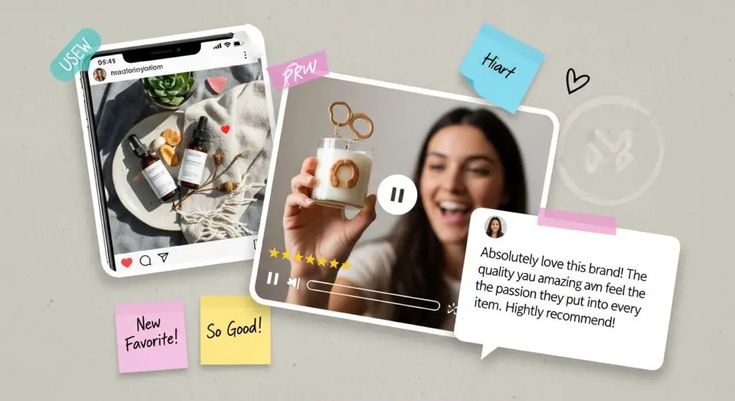
Customer photos and videos, unboxing posts, product shoutouts and reviews - any organic social post mentioning or featuring a brand is UGC. Instagram is the leading platform, with UGC posts earning 28% more engagement than branded content. (Taggbox, 2025)
3. Video Content
Video content is the fastest-growing and highest-impact UGC format in 2026.
User-generated videos generate 6x higher engagement than branded videos. UGC video ads show 35% higher watch-through rates compared to polished brand ads. (Taggbox, 2025)
YouTube Shorts, Instagram Reels, and TikTok are the primary platforms.
4. Testimonials
Written or video testimonials from real customers - often used on brand websites, landing pages, and email campaigns to build trust and authenticity before making a purchase.
5. Blog Posts and Forum Threads
Long-form UGC - Reddit discussions, Quora answers, blog posts by customers - that provide detailed, honest takes on products and experiences. These have outsized SEO value because they drive organic traffic through real search intent.
6. Hashtag Campaigns
Brand-created hashtags that invite customers to post their own content. When done well, these generate thousands of pieces of UGC organically - all attached to the brand's identity.
Why UGC Works - The Data
UGC works because of one thing, which is the most important factor: trust.
People don't trust salesy or paid ads. They trust other people's words. And in a world saturated with polished, AI-generated brand content, authentic human voices cut through harder than ever.
80% of consumers consider peers - real customers and everyday users - as the most credible source of brand information, above journalists, celebrities, and brand accounts. (Buzzinly, 2026)
79% of people say UGC directly influences their buying decisions. (WiserNotify, 2026)
40% of shoppers will abandon a purchase entirely if there is no UGC or reviews available for the product. (Buzzinly, 2026)
UGC and Conversions
The purchase impact of UGC is measurable and significant:
Websites with UGC galleries see a 29% increase in web conversions (WiserNotify, 2026)
Visitors spend 90% more time on websites that include UGC (EmbedSocial, 2026)
UGC increases conversions by 102% in the online buying process (EmbedSocial, 2026)
70% of users are more likely to purchase when a product appears in Instagram UGC (Taggbox, 2025)
UGC and Market Growth
The global UGC market was worth $7.6 billion in 2025 - up 69% from the previous year - and is projected to surpass $27 billion by 2029 at a 29% CAGR. (Whop, 2026)
In India specifically, trust in UGC is the highest in the world at 93% - making it one of the most UGC-receptive markets globally. (Whop, 2026)
Real-World UGC Examples
Zomato - Reviews as Core UGC
Zomato's entire discovery engine runs on UGC. Customer ratings, photos, and written reviews are the primary reasons people choose where to eat. The brand doesn't need to create content convincing you a restaurant is good - its users do that for free, at scale, every day.
Nykaa - Customer Photos Driving D2C Sales
Nykaa integrates customer photos directly into product pages - real people showing how a lipstick shade or foundation looks on different skin tones. This isn't just trust-building; it reduces return rates and increases purchase confidence for first-time buyers.
boAt - Community-Driven Content
boAt turned its customers into a community called "boAt Heads", - encouraging them to post photos and reviews wearing their earphones and speakers. The result: thousands of pieces of organic UGC across Instagram and YouTube, building brand identity without brand spend.
LIT School - Student Work as UGC
LIT School students regularly share their work, projects, and learning experiences publicly - on LinkedIn, Instagram, and YouTube. This student-generated content builds the school's credibility more authentically than any marketing campaign could. Real people, real work, real results - that's UGC at its most powerful.
It's also a great example of why learning to create and leverage UGC is a core skill in the Creator Marketer Programme and other programmes.
UGC vs Branded Content vs Influencer Content
Factor | UGC | Branded Content | Influencer Content |
|---|---|---|---|
Created by | Real customers | Brand / agency | Paid creator |
Trust level | Highest | Lowest | Medium |
Cost | Near zero | High | Medium–High |
Authenticity | High | Low | Medium |
Scalability | Very high | Limited by budget | Limited by budget |
Control | Low | Full | Partial |
Best for | Trust, conversion | Awareness, messaging | Reach, discovery |
How to Use UGC in Your Marketing Strategy
Step 1: Make It Easy for Customers to Create Content
Add a QR code to your packaging linking to a review page.
Send a post-purchase email asking for a photo or review.
Create a branded hashtag and actively promote it.
The simpler you make it, the more content you'll get.
Step 2: Ask for Permission Before Repurposing
UGC legally belongs to the person who created it.
Always DM or email the creator before reposting or using in ads.
A simple "Can we feature your post?" is enough - and builds goodwill.
Step 3: Embed UGC on Your Website
Add a customer photo gallery to your highest-traffic product pages.
Include a reviews section below every product.
Pages with UGC convert significantly better than those without.
Step 4: Use UGC in Paid Ads
Replace polished ad creative with real customer videos and photos.
Test UGC-style content against traditional creative - the data almost always favours UGC.
Ads featuring real customer content see 4x higher click-through rates than traditional display ads. (Buzzinly, 2026)
Step 5: Build a UGC-First Community
Create a space where your most engaged customers stay connected - a WhatsApp group, branded Discord, or loyalty programme.
Feature your best community content regularly because people create more when they know they'll be seen.
The goal isn't to collect UGC once. It's to build a system that generates it continuously.
If you want to learn how to build and execute UGC strategies through real brand work, LIT School's Creator Marketer Programme covers community management, social media strategy, and content creation as core modules - with live brand briefs, not theory.
Explore the Creator Marketer Programme →
Conclusion
UGC is the most trusted, most cost-effective, and scalable content format available to marketers today - and its impact is only growing each day.
The brands that understand this aren't just collecting customer reviews; they're building systems, communities, and products that people naturally want to talk about and buy.
In a world where AI is flooding every channel with polished, generic content, authentic human voices are worth more than ever. The brands that earn those voices will win.
Got questions about UGC or how to use it for your brand? Drop them in the comments below.
FAQ's
Q1: What does UGC stand for? UGC stands for User-Generated Content - any content created by real customers or users about a brand, rather than by the brand itself.
Q2: What are the most common types of UGC? Reviews and ratings, customer photos, video testimonials, social media posts, and hashtag campaign content are the most widely used types across platforms.
Q3: Why is UGC more effective than branded content? Because people trust other people more than they trust brands - 92% of consumers trust peer recommendations over brand messages, making UGC the highest-trust content format available.
Q4: How do brands get customers to create UGC? By making it easy and rewarding - branded hashtags, post-purchase review requests, loyalty incentives, and community building are the most effective tactics.
Q5: Is UGC free to use for brands? Not automatically - UGC belongs to the person who created it. Brands must request permission before repurposing customer content in ads or on their website.


